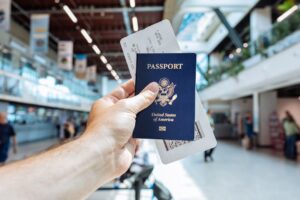
Applying for a Brazilian visa can feel overwhelming, especially when faced with complex requirements and unfamiliar procedures. Many applicants struggle with understanding eligibility, authenticating their documents, and avoiding common mistakes that delay approval. This guide combines expert legal insight with practical examples to help you navigate the process confidently and efficiently.
By exploring real scenarios and providing a clear, step-by-step breakdown, you’ll gain clarity on each stage of the visa application. Whether you’re dealing with dual citizenship issues, missing paperwork, or language barriers, this article offers trusted solutions and expert advice to simplify your journey.
Understanding Brazilian Visa Types and Eligibility
Before starting your application, it’s crucial to identify the correct visa category that matches your purpose of travel or residence. Brazil offers various visa types, including tourist, work, student, and family reunion visas, each with specific eligibility criteria.
- Tourist Visa: For short-term visits, leisure, or business meetings.
- Work Visa: Requires sponsorship from a Brazilian employer and proof of qualifications.
- Student Visa: For enrollment in Brazilian educational institutions.
- Family Reunion Visa: For relatives of Brazilian citizens or residents.
Eligibility nuances: Some applicants face unique situations, such as dual citizenship or changing visa categories, which require specialized legal understanding to avoid application rejection.
We recommend consulting official resources like the Brazilian Ministry of Foreign Affairs portal for the most accurate visa classifications and requirements.
Step-by-Step Application Process with Realistic Scenarios
Applying for a Brazilian visa involves multiple stages that must be completed accurately to prevent delays. Below is a detailed walkthrough of the process, illustrated with common applicant scenarios.
- Step 1: Determine Visa Type and Gather Documents – Identify your visa category and collect required documents such as passports, proof of financial means, invitation letters, or enrollment certificates.
- Scenario: An applicant with dual citizenship must verify which passport to use and ensure all documents correspond to the chosen nationality.
- Step 2: Authenticate and Translate Documents – Many documents must be officially authenticated and translated into Portuguese by certified professionals.
- Scenario: For non-Portuguese speakers, professional translation is mandatory to avoid rejection due to language discrepancies.
- Step 3: Submit Application Online or at Consulate – Complete the application form carefully, upload all documents, and pay applicable fees.
- Scenario: Missing or mismatched documents often cause processing delays; expert review can prevent such errors.
- Step 4: Attend Interview or Provide Biometrics if Required – Some visas require in-person interviews or biometric data submission.
- Step 5: Track Application Status and Receive Decision – Use official consular websites to monitor progress and prepare for possible requests for additional information.
Outvisa’s team of certified Brazilian immigration lawyers can assist you throughout this process, ensuring your application is complete, accurate, and aligned with current legal standards.
Document Authentication and Translation Explained
One of the most critical and often misunderstood steps in the Brazilian visa process is the authentication and translation of documents. Without proper certification, your application risks rejection.
- Authentication: Documents issued abroad must be legalized through the appropriate authorities, such as apostilles or consular legalization, depending on the country of origin.
- Translation: Certified translators must translate all foreign documents into Portuguese. Informal or uncertified translations are not accepted.
Key considerations:
- Verification of translator credentials is essential to meet Brazilian consular standards.
- Some documents require notarization after translation.
- Delays often occur when applicants underestimate these requirements or attempt to self-translate.
For up-to-date procedural details, refer to the official document authentication guide provided by the Brazilian government.
Outvisa offers expert document review and certified translation services, helping you avoid common pitfalls and expedite your visa approval.
Common Pitfalls and Troubleshooting Checklist
Many visa applicants encounter similar challenges that can prolong or jeopardize their application. Below is a practical checklist to help you avoid these common mistakes:
- Submitting incomplete or outdated documents
- Failing to authenticate or certify translations properly
- Using inconsistent personal information across documents
- Ignoring updated procedural changes or fee requirements
- Missing deadlines for submitting additional information or biometrics
- Not verifying the correct visa category for your situation
Troubleshooting tips:
- Double-check all document requirements and official consular announcements before submission.
- Consult with immigration experts to review your application package.
- Keep copies of all submissions and receipts.
- Prepare for possible requests from consular officials promptly and accurately.
When complexity arises, Outvisa’s legal consultation can provide personalized guidance to resolve issues efficiently and ensure compliance with Brazilian immigration law.
Tips and Checklist for a Successful Brazilian Visa Application
- Start your application well in advance to accommodate authentication and translation timelines.
- Use a detailed checklist tailored to your visa category and personal circumstances.
- Keep communication channels open with the consulate and respond quickly to any requests.
- Ensure all translations are certified and notarized as required.
- Review your application with a certified immigration lawyer to minimize errors.
Frequently Asked Questions
What documents are typically required for a Brazilian visa application?
Required documents vary by visa type but generally include a valid passport, proof of financial means, purpose-specific letters (such as work contracts or enrollment certificates), authenticated and translated documents, and application forms. Consulting official guidelines ensures you gather the correct paperwork.
How can I authenticate my foreign documents for use in Brazil?
Authentication usually involves obtaining an apostille or consular legalization from the issuing country, followed by certified translation into Portuguese. The Brazilian consular portal provides detailed instructions.
Can I apply for a Brazilian visa if I have dual citizenship?
Yes, but it is essential to decide which nationality you will use for the application and ensure all documents correspond to that nationality. Dual citizenship may affect visa category eligibility and document requirements.
What are common reasons for visa application delays or denials?
Common causes include incomplete documentation, incorrect translations, inconsistent personal information, failure to meet eligibility criteria, and late responses to consular requests. Expert review can help mitigate these risks.
How does Outvisa assist with the Brazilian visa application process?
Outvisa provides comprehensive services including visa documentation review, legal consultation for complex cases, certified document authentication and translation, and personalized guidance to ensure your application meets all legal requirements and deadlines.
Conclusion
Successfully navigating the Brazilian visa process requires understanding visa categories, meticulous document preparation, and awareness of common pitfalls. By following expert advice and real-world examples, applicants can approach their visa application with confidence and clarity. Leveraging professional legal assistance, like that offered by Outvisa, further enhances your chances of a smooth and timely approval.
Reach out to us for personalized consultation based on your specific requirements.